

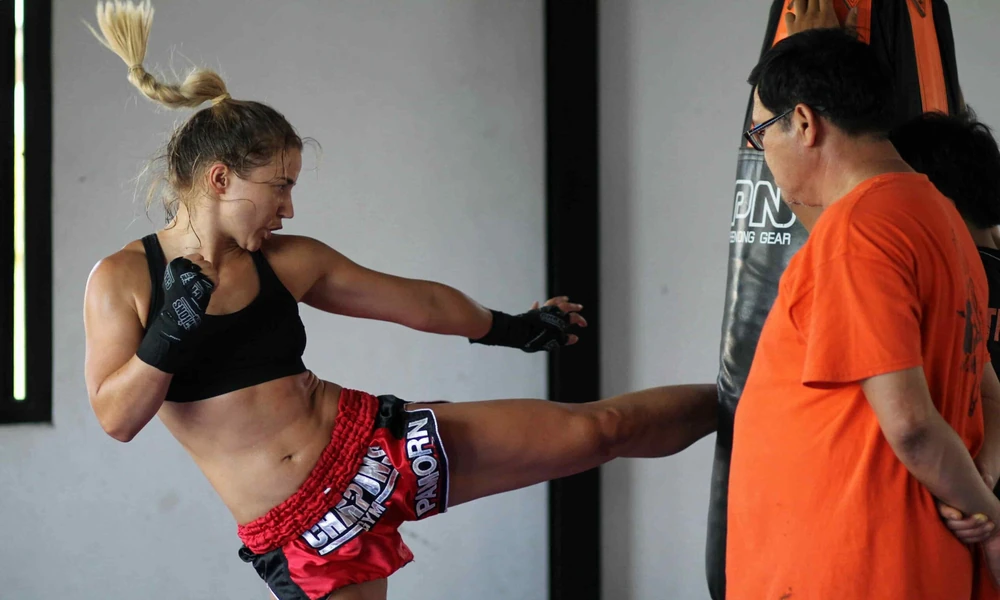
Most combat sports hand a fighter two weapons at most. This one gives you eight, which changes how every exchange unfolds. Fists, elbows, knees plus shins all become tools for attack or defence. Anyone stepping into a thai boxing gym quickly notices how close range feels completely different. Kicks land harder than expected, while clinches turn into strength contests. Learning how each piece connects makes the whole style far easier to understand.
Counting the Body’s Weapons
Fists handle straight punches, hooks plus uppercuts at medium range. Elbows strike at very close range where punches lose power. Knees work best inside the clinch or against rushing opponents. Shins deliver kicks that feel more like swinging bats than foot taps.
Roots in Battlefield Training
Centuries ago, soldiers in old Siam trained these strikes for war. Over time, the methods moved from battlefields into village festivals. Gloves plus timed rounds arrived during the early twentieth century. An official rule book followed in 1955, shaping modern competition.
Core Techniques Every Beginner Learns
New students start with a small set of basic moves. Each one later combines into longer, smoother attacks.
- The jab measures distance before heavier shots follow behind it.
- Roundhouse kicks swing a shin through targets rather than feet.
- One push kick called a teep keeps attackers at bay.
- Short elbows cut across close range when space disappears.
- Straight knees drive upward into an opponent’s body from clinch.
- Hooks curve around guards toward jaws or ribs.
- Sweeps unbalance rivals by catching legs during their kicks.
- Checks lift one shin sideways to block incoming low strikes.
The Clinch Changes Everything
Clinching means grabbing an opponent’s neck or arms at close range. Fighters battle for head position to control balance. From there, knees plus short elbows land repeatedly. Few other striking sports allow this much grappling inside the ring.
How Does Training Build Power Without Wasting Energy?
Power in this sport comes from hips rather than arms alone. Coaches teach fighters to turn their whole body through each kick. Relaxed shoulders save energy across long rounds. Stiff muscles tire quickly plus slow every strike down.
Daily routines usually mix skipping, pad work plus light sparring. Running remains common in traditional camps for building stamina. Anyone starting thai boxing should expect slow progress during early months. Technique improves first, while real power arrives later. Repetition teaches the body to waste less movement. Small daily sessions often beat occasional intense workouts. Rest days matter too.
Defence Matters Just as Much
Good defence keeps a fighter healthy across many years. Blocking kicks by raising a shin prevents serious leg damage. Staying calm behind a high guard limits clean shot to the head.
Comparing Popular Striking Sports
| Sport | Weapons Allowed | Clinch Use | Usual Professional Rounds |
| Western boxing | Fists only | Broken up quickly by referees | Up to 12 rounds of 3 minutes |
| Kickboxing | Fists plus kicks, sometimes knees | Very limited | Usually 3 to 5 rounds |
| Muay Thai | Fists, elbows, knees, shins | Central part of every fight | 5 rounds of 3 minutes |
The clinch is the biggest difference between these sports. It forces fighters to prepare for grappling as well as striking.
Doubts Beginners Usually Raise
- How long before beginners can spar safely? Usually after two to three months of steady technical training.
- Do shins really toughen over time? Yes, gradual conditioning makes shins more resistant to impact.
- Are elbows allowed in amateur bouts? Many amateur rules ban or limit elbows for safety reasons.
- Is the sport suitable for older adults? Yes, many gyms offer fitness classes without contact sparring.
- What equipment does a beginner need first? Gloves, hand wraps plus shin guards cover most early needs.
- Does flexibility matter much for kicking? It helps, though hip rotation matters more than deep stretching.
Every Weapon Serves a Clear Purpose
Each body part covers a different range during exchanges. Kicks work at distance, punches in the middle, knees plus elbows up close. The clinch links these ranges together. Strong defence keeps fighters competing far longer.
Patient Practice Builds Real Skill
Mastery here grows slowly through steady repetition. Showing up three times each week usually beats rare marathon sessions. Simple techniques done well outperform flashy moves performed carelessly. Coaches value consistency far more than natural talent. Progress arrives quietly for those who keep training without chasing perfection.