

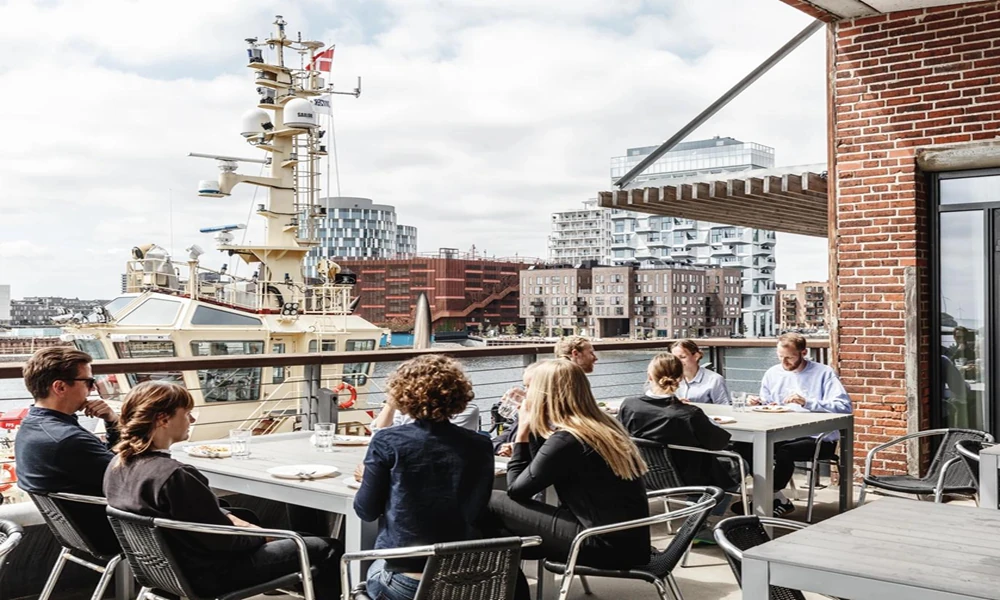
Planning a corporate event involves more than finding an available venue and sending invitations. The environment you choose can influence how comfortably employees interact, whether they participate in activities, and how they remember the experience afterward.
Traditional conference rooms and hotel meeting spaces serve important purposes, but they aren’t always ideal for informal networking, team celebrations, or employee appreciation.
The challenge is finding a location that supports your company’s objectives while offering something employees genuinely want to attend.
Whether you’re organizing a small departmental gathering or a company-wide outing, the following considerations can help you choose a venue that balances enjoyment, practicality, and professional value.
1. Define What You Want the Event to Accomplish
Before comparing venues, identify the primary purpose of your gathering.
Are you celebrating a company achievement, introducing new colleagues, improving communication between departments, or thanking employees for their contributions?
Different objectives call for different environments.
A strategic planning session may require a quiet meeting room with presentation equipment. An employee appreciation event might benefit from a relaxed waterfront setting, outdoor venue, or interactive group experience.
Consider asking these questions:
- What should attendees gain from the experience?
- Will the event include formal presentations or primarily social activities?
- How much structured participation is necessary?
- Should employees interact across teams or spend time with their existing colleagues?
Clear objectives prevent you from choosing an attractive venue that doesn’t actually serve the event’s purpose.
2. Match the Venue to Your Event’s Purpose
An effective corporate venue should complement the atmosphere you want to create.
For example, restaurants offer convenient dining and conversation, while activity-based venues encourage shared participation. Outdoor locations can provide a refreshing change of environment, although weather and seasonal conditions require additional consideration.
Companies exploring corporate events on Long Island can also consider private boat cruises as an alternative to conventional meeting spaces, particularly when planning smaller team celebrations, informal networking sessions, or employee appreciation outings.
However, unconventional settings aren’t automatically the right choice for every gathering.
Before deciding, consider whether the venue provides:
- Enough space for attendees to interact comfortably.
- Seating appropriate for the event’s duration.
- Suitable facilities for any planned activities.
- A reasonable level of privacy for group conversations.
- Accessibility arrangements that accommodate participants’ needs.
The most memorable venue isn’t necessarily the most elaborate one. It’s the location that helps people connect without creating unnecessary complications.
3. Prioritize Accessibility and Employee Comfort
An exciting location can quickly lose its appeal if employees struggle to reach it.
Transportation, parking, travel distance, and event timing deserve as much attention as the venue’s appearance.
For corporate gatherings on Long Island, planners should consider where employees are traveling from and how convenient the location will be for attendees from different parts of the region.
If participants are arriving from multiple offices, a central meeting location or coordinated transportation may simplify attendance.
Accessibility also extends beyond physical transportation.
Consider whether the venue can accommodate employees with mobility limitations, dietary restrictions, sensory sensitivities, or other individual requirements.
Outdoor and waterfront activities require particular attention to weather exposure, boarding arrangements, and available facilities.
Gathering information about attendees’ needs before confirming a booking helps prevent avoidable issues and creates a more welcoming experience.
4. Choose Activities That Encourage Natural Interaction
Corporate activities should help employees connect rather than make them feel obligated to participate.
Highly structured team-building exercises may suit certain professional development objectives, but informal social events often benefit from a lighter approach.
Consider activities that allow different personalities to participate comfortably.
Examples include small-group conversations, casual trivia, collaborative games, shared meals, or optional creative activities.
Avoid making every moment part of a scheduled exercise.
Employees often appreciate opportunities to talk naturally with colleagues they rarely encounter during a typical workday.
A balanced event schedule might include a short welcome, one optional group activity, refreshments, and sufficient unstructured time.
Remember that not everyone enjoys competitive games or public speaking. Providing different ways to engage makes the experience more inclusive.
5. Evaluate the Complete Cost, Not Just the Venue Price
Budgeting for an off-site event requires looking beyond the advertised rental fee.
A location that initially appears affordable may involve additional expenses for food, transportation, equipment, staffing, or extended rental periods.
Before committing, request an itemized explanation of what the booking includes.
Important considerations include:
- Venue rental and minimum booking requirements.
- Food and beverage arrangements.
- Staffing and service charges.
- Transportation and parking costs.
- Equipment or entertainment fees.
- Cancellation and rescheduling policies.
For outdoor or weather-dependent venues, ask what happens if conditions prevent the event from proceeding as planned.
It can also help to calculate the estimated cost per attendee instead of comparing total venue prices alone.
This approach makes it easier to assess whether a particular experience delivers reasonable value for your team.
6. Build a Schedule That Feels Organized but Flexible
Even a casual company outing benefits from thoughtful scheduling.
Employees should know when to arrive, what to expect, and approximately when the event will finish.
However, an overly detailed itinerary can make a social gathering feel like another work assignment.
Start by identifying the essential parts of the event, such as arrival, introductions, meals, activities, and departure.
Then leave enough flexibility for conversations and unexpected delays.
Communicate practical information in advance, including transportation details, dress expectations, accessibility arrangements, and any items participants should bring.
For activities with fixed departure times, such as private cruises, clear arrival instructions are particularly important.
A realistic schedule reduces confusion while giving attendees the freedom to enjoy the experience.
Conclusion
Choosing an off-site corporate event venue is ultimately about understanding your employees and the experience you want to create.
The right location should support your objectives, accommodate participants’ needs, fit your budget, and encourage meaningful interaction.
Rather than selecting a venue solely because it looks impressive, focus on how the space will function throughout the gathering.
When thoughtful planning meets an appropriate setting, corporate events can become worthwhile opportunities for connection, recognition, and stronger workplace relationships.