

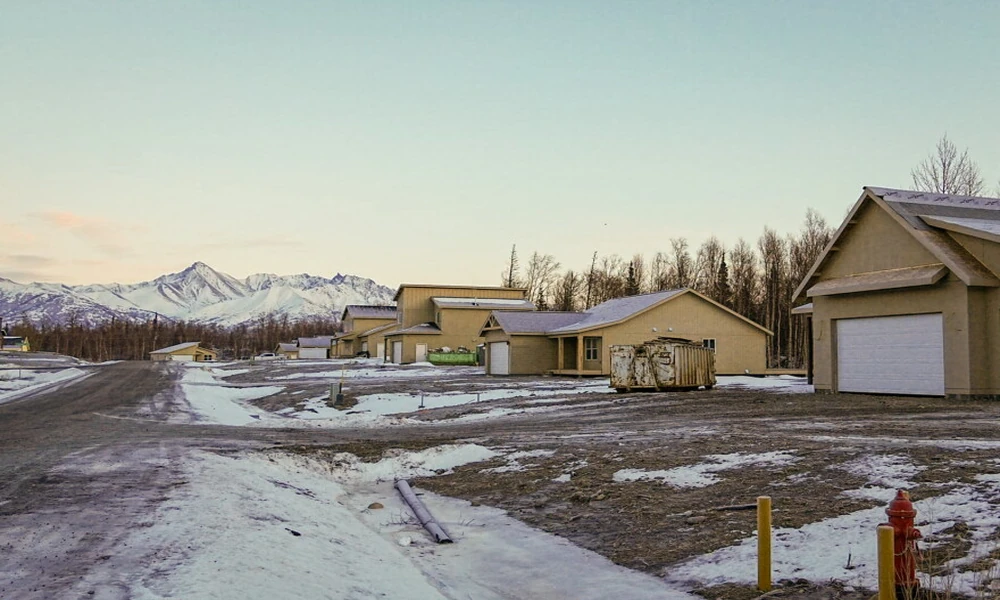
Finding a suitable property becomes easier when the search begins with clear needs. Matsu property search can help organize available choices around budget, space, condition, and plans. Buyers often compare several details before narrowing their options. A simple structure keeps those checks consistent. Without proper planning, useful choices may be missed. The title “Expand Your Housing Options Through Flexible Matsu Property Search Strategies” reflects the value of a careful process.
Property research usually involves more than checking asking prices. Space requirements, property condition, ownership costs, and practical features also matter. Different households may have different priorities. Some may need extra rooms while others may value manageable expenses. A flexible approach allows these needs to guide the review.
Set Clear Priorities Before Reviewing
A useful search begins with a written list of requirements. Separate necessary features from optional preferences. This prevents minor details from receiving too much attention.
Important Points
- Set spending limits before reviewing available property choices.
- List required rooms based on current household needs.
- Record preferred features before comparing different available options.
- Consider future requirements alongside present household arrangements.
These points provide a simple starting framework for property research.
Compare Choices Using Practical Details
Each option should receive a similar level of review. Compare size, condition, layout, ownership costs, and useful features. Consistent checks make differences easier to understand. They also reduce reliance on first impressions. A property that looks suitable initially may reveal additional concerns after closer review. Detailed comparison takes more time, but it can reduce unsuitable choices.
Review Costs Beyond Listed Prices
The advertised amount may not represent the complete financial requirement. Repairs, maintenance, taxes, and regular ownership expenses can add further costs. These figures should be considered before serious selection. Buyers should keep some room for unexpected spending. Matsu property search becomes more useful when financial details are reviewed alongside physical property information.
A simple cost record can show the likely financial burden more clearly. It also allows different options to be compared using similar figures.
Consider Property Condition and Layout
Physical condition can influence future spending and everyday use. Review visible repairs, room arrangements, storage space, and general upkeep. A professional inspection may provide additional information when necessary. Inspection fees and limited early information can still affect the review process.
Main Considerations
- Check visible repairs before assigning strong preference to properties.
- Review room layouts against actual household requirements carefully.
- Note storage areas that support regular household routines.
- Consider maintenance needs before accepting an attractive asking price.
- Check important property records before serious discussions begin.
- Review fixtures and fittings for possible future expenses.
- Assess usable space rather than relying on total size.
- Record concerns immediately to support later comparison decisions.
Careful physical review can prevent minor concerns from becoming costly surprises.
Think Beyond Current Requirements
Future needs deserve attention during property selection. Household size may change. Work arrangements may also affect space requirements. Additional storage could become useful later. Flexible rooms may support several uses over time. However, predicting every future change is difficult. The goal is to consider reasonable possibilities without creating unrealistic assumptions.
Frequently Asked Questions
- What should be checked before comparing properties?Review budget, space, condition, features, ownership costs, and future requirements.
- Should future household needs affect property selection?Yes. Reasonable future changes can influence space and layout requirements.
- Why should properties use identical comparison criteria?Consistent criteria make differences clearer and reduce subjective decisions.
- Does the asking price show the complete cost?No. Repairs, maintenance, taxes, and other expenses may increase ownership costs.
- Should unsuitable choices remain under consideration?Usually not. Removing poor matches keeps research focused and manageable.
- How often should property information be reviewed?Review details whenever prices, availability, requirements, or financial conditions change.
Better Decisions Through Steady Preparation
Property research works best when each stage follows a clear purpose. Financial limits establish practical boundaries. Physical checks reveal possible future costs. Household needs determine useful space. Regular updates keep information relevant.
A flexible process allows priorities to change when genuine circumstances change. It also prevents temporary preferences from controlling every decision. The strongest approach combines careful research with consistent review. That principle gives Matsu property search a practical role in building a more organized property selection process.