

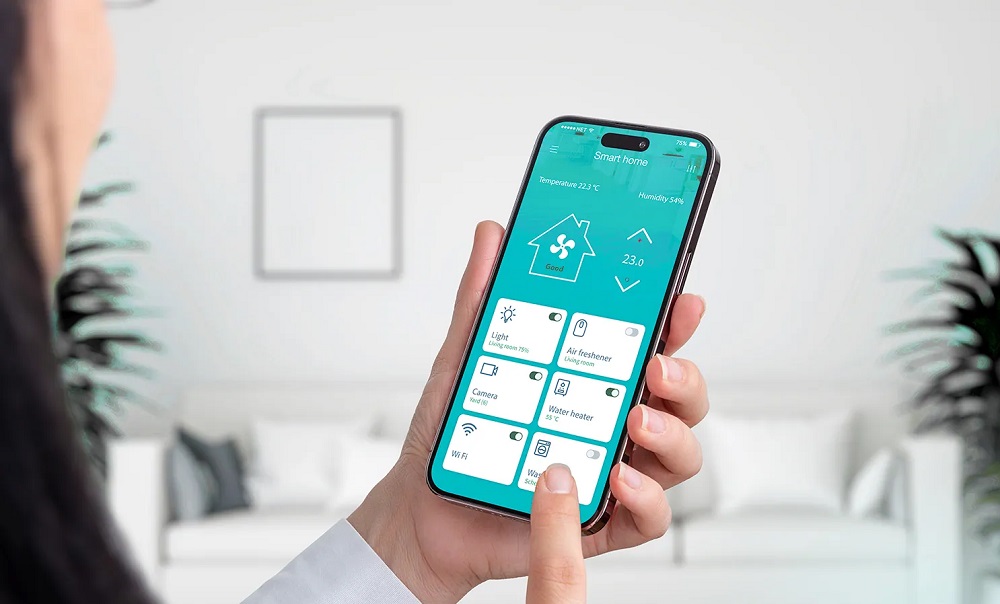
In today’s fast-moving world, mobile technology plays a vital role in bridging the communication gap between property managers and residents. Within mobile home communities, effective communication has always been a cornerstone of smooth operations. However, traditional methods such as phone calls, paper notices, and in-person meetings often result in missed messages or delays. Mobile home app are changing that landscape by offering a convenient, reliable, and centralized communication channel tailored to the unique needs of mobile home parks.
One of the biggest benefits of mobile home apps is the ability to streamline daily communication. Managers can send announcements, maintenance updates, event reminders, and emergency alerts instantly through push notifications or in-app messages. This ensures that residents stay informed without waiting for printed flyers or relying on word of mouth. The immediacy of communication reduces confusion and helps avoid misunderstandings, particularly in time-sensitive situations like utility repairs or community rule updates.
For residents, mobile home apps provide a direct and efficient way to reach management. Whether they have a maintenance request, want to report a concern, or simply have a question, residents can use the app to submit their messages anytime, without needing to visit the office during business hours. Many apps include features like ticket tracking or photo uploads, allowing for more detailed and organized communication. This level of accessibility fosters a stronger relationship between residents and management, as concerns are addressed faster and more transparently.
From a manager’s perspective, organizing resident information becomes significantly easier with the help of mobile apps. Instead of managing physical files or scattered spreadsheets, managers can use the app’s dashboard to view resident profiles, payment status, and communication history—all in one place. This reduces administrative workload and makes it easier to follow up on open issues or respond to resident needs more personally.
Another valuable aspect of mobile communication is that it helps build a sense of community. Apps can include features that allow residents to RSVP to events, participate in surveys, or view community news. These elements not only keep everyone informed but also encourage involvement and a sense of belonging. A connected community is more likely to thrive, with fewer conflicts and greater cooperation.
Security and privacy are also enhanced through mobile home apps. Rather than posting personal notices or tenant information in common areas, communication remains private and secure within the app. Residents can rest assured that their information is protected and their communication is directed only to authorized personnel.
In the long run, mobile home apps contribute to a more professional and organized approach to community management. They reflect a commitment to transparency, responsiveness, and resident satisfaction. As mobile technology continues to evolve, so does the potential for mobile home communities to grow stronger, more connected, and better managed.
Simplifying communication isn’t just about using new tools—it’s about making everyday interactions smoother, faster, and more respectful for everyone involved. With the right mobile home app in place, managers and residents alike can experience a new level of convenience and trust in their day-to-day interactions.